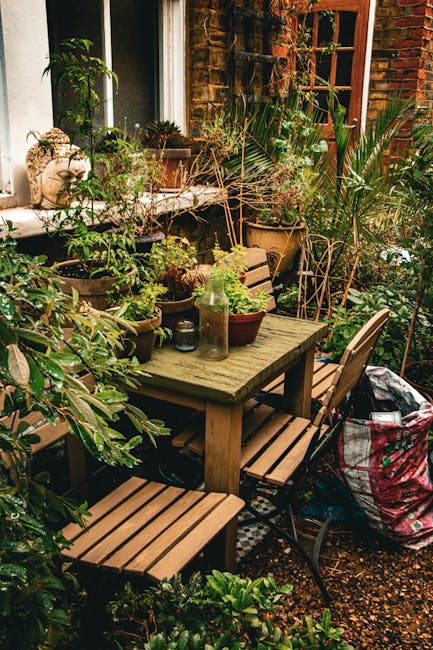
Same day gardeners for urgent garden debris Limehouse: fast help when the garden cannot wait
If you are dealing with a sudden pile of branches, soaked leaves, storm-fall, broken plant bags, or the aftermath of a weekend cut-back, you probably do not want a long chat about "next week." You want the space made safe, tidied, and usable again. That is exactly where Same day gardeners for urgent garden debris Limehouse come in. In a busy part of East London, gardens can go from manageable to messy very quickly, and the knock-on effect is usually simple: blocked access, messy paths, poor drainage, and a lot of frustration.
This guide explains how urgent garden debris clearance works, when it makes sense, what to expect on the day, and how to choose the right service without overcomplicating things. We will also cover practical checks, safety points, and a few mistakes that are easy to avoid when time is tight. Let's face it, when there is debris scattered across a garden, the last thing you need is confusion.
Why Same day gardeners for urgent garden debris Limehouse Matters
Garden debris is not just an eyesore. In a tight urban setting like Limehouse, it can quickly become a practical problem. Wet branches become slippery. Piles of leaves can hide broken glass, sharp cuttings, or uneven ground. Bags left too long can attract pests or simply make a small outdoor space feel unusable. If you have children, tenants, visitors, or neighbours passing by, that clutter starts to matter very quickly.
Urgent clearance also matters because weather and access conditions change fast. A windy evening can push loose material across paths and driveways. A sudden shower can turn light debris into a soggy mess that is harder to shift later. And in small gardens, one overgrown prune session can feel like the whole place has been swallowed. The faster it is removed, the less chance it has to turn into a bigger job.
There is another angle too: good presentation. If you are preparing a property for viewings, hosting guests, or simply trying to get your outdoor space back after maintenance, urgent garden debris clearance can make an immediate difference. You notice it as soon as you step outside. Everything looks lighter, cleaner, calmer.
If you are exploring wider help beyond one-off clearances, it can also be useful to look at garden clearance support and regular garden maintenance, especially if debris keeps building up after pruning or seasonal work.
Expert summary: urgent debris removal is about more than tidy borders. It restores access, reduces trip hazards, and stops a small mess becoming a bigger, wetter, harder job later.
How Same day gardeners for urgent garden debris Limehouse Works
The process is usually straightforward, though every job has its quirks. A same day response normally starts with a quick assessment of the debris type, quantity, access, and urgency. Is it a few bags of cuttings? A broken branch across a path? A post-storm mix of leaves, twigs, hedge trimmings, and soil? The answer affects how many people, tools, and waste containers are needed.
In many cases, the team will confirm what needs removing, whether there are any access issues, and whether anything should be separated before collection. For example, green waste, woody branches, and mixed garden refuse may need different handling. If there are heavier items tucked in with the debris, that can change the plan. It sounds obvious, but people do miss this when they are in a hurry.
Once on site, the gardener will usually clear the space in a set order: safe access first, loose items next, then bulk debris, then a final sweep or rake-over. If the job is urgent because a path, side return, or back gate is blocked, that route tends to be opened first. Sometimes a small team can complete the job in one visit; sometimes it is faster to return with the right vehicle or extra manpower. To be fair, rushing the wrong way is usually slower.
If the debris has come from trimming hedges or trees, related services may help you plan the whole job more efficiently. A tidy finish often starts with the source, so hedge trimming and tree lopping and removal are worth considering where overgrowth or branches are part of the problem.
Key Benefits and Practical Advantages
Same day debris clearance sounds simple, but the value is bigger than the job title suggests. The biggest benefit is speed, of course. You do not have to live with an awkward, messy, or unsafe garden while waiting around. But there are other advantages that matter just as much.
- Safety improves quickly: fewer trip hazards, fewer slippery patches, and less chance of loose material blowing around.
- The garden becomes usable again: you can get back to normal life, whether that means hanging washing, letting children play, or just opening the patio door without wincing.
- Stress drops: a messy outdoor area has a way of hanging over you. A cleared space feels instantly more manageable.
- Waste is handled properly: garden debris is easier to sort, move, and dispose of when it is dealt with promptly.
- Damage is less likely to spread: wet leaves, compacted cuttings, and broken branches can damage lawns, decking edges, and planting beds if they sit too long.
There is also a practical money-saving angle. In some situations, leaving debris in place makes the job harder later. Wet organic matter is heavier. Branches settle. Soil gets trodden in. A small delay can turn a tidy-up into a much longer clearance. Not always, but often enough to be worth saying out loud.
If your garden includes timber features or outdoor structures, debris can also collect around them and make inspection difficult. In those cases, checking related services like decking services can be helpful after the area has been cleared, especially if you want to see what is actually going on underneath the clutter.
Who This Is For and When It Makes Sense
This service is not just for dramatic storm damage, although that is a very common reason. In practice, it suits anyone who needs fast outdoor clearance and cannot wait for a routine slot.
It makes sense if:
- you have just completed a big pruning session and the waste is too much for your usual bins;
- a windy spell has scattered branches, leaves, or broken plant material across the garden;
- you are trying to prepare a property for sale, letting, or a guest arrival;
- a blocked path, side access, or patio is making daily life awkward;
- you manage a rental property and need the outdoor space put right quickly;
- you have had a one-off garden project that ended with far more debris than expected.
It is also useful for people who are not physically able to tackle a large clearance themselves. Moving bags, lifting damp branches, and bending repeatedly is tiring work. There is no shame in calling for help. Truth be told, even experienced gardeners prefer not to wrestle a pile of soggy clippings at 7 a.m. when the bin lid is stuck and the pavement is already busy.
If the issue is part of a bigger landscape reset, a broader review of landscaping or landscape gardening may also be worth discussing once the urgent debris is gone.
Step-by-Step Guidance
When time is short, a calm sequence helps. Here is the cleanest way to handle an urgent garden debris job without making it more complicated than it needs to be.
- Identify the debris type. Separate green waste, woody waste, soil, broken pots, and anything sharp or unusual if you can do so safely.
- Check the access route. Make sure side gates, alleyways, and front access points are clear enough for work to begin without delay.
- Take a quick look for hazards. Broken glass, hidden nails, unstable branches, or waterlogged ground should be noted before anyone starts.
- Decide what needs to go now. Some items may be urgent, while others can wait for a standard visit. Be realistic.
- Ask for an estimated arrival window. Same day does not always mean instant, so a clear time window helps set expectations.
- Confirm the disposal plan. Ask how the debris will be removed and whether sorting is needed.
- Do a final walk-through. Once the debris is out, check for missed cuttings, slippery patches, and anything that needs a second pass.
A small practical tip: if the debris is near a lawn, it helps to lift rather than drag where possible. Dragging wet branches over grass can leave marks, and in a small Limehouse garden you may only have one decent patch of lawn to protect. A bit fussy? Maybe. Worth it? Absolutely.
If the debris came from ongoing upkeep rather than one-off work, building a simple routine with lawn mowing and garden maintenance can prevent the next emergency from arriving quite so suddenly.
Expert Tips for Better Results
In our experience, the best urgent jobs are the ones that are made easier before anyone even picks up a rake. A little prep saves time and avoids awkward back-and-forth on the day.
- Keep debris together where safe. A neat pile is quicker to remove than scattered cuttings across three corners of the garden.
- Separate sharp or awkward items. Broken terracotta, wire ties, and splintered wood should be mentioned clearly.
- Tell the team what caused the debris. A storm, hedge cut, tree fall, or builder's mess all need slightly different handling.
- Protect surfaces if they are fragile. If you have decking, new paving, or soft planting nearby, say so early.
- Do not overpack waste bags. Overfilled bags split, and then everybody loses a bit of time. Very annoying, very avoidable.
Another useful tip is to think in zones. Ask yourself: what needs clearing first so the garden becomes safe and functional again? Usually that is the path, gate, patio, or main sitting area. You do not have to solve the whole garden at once.
It is also smart to ask how the removed material will be handled. If sustainability matters to you, a provider that pays attention to sorting and responsible disposal is usually the better fit. You can also review a company's approach to recycling and sustainability if that is part of your decision-making.
Common Mistakes to Avoid
Urgent work often goes wrong for simple reasons. Nothing dramatic. Just avoidable stuff that gets overlooked when people are in a rush.
- Waiting too long to act. Wet debris gets heavier, dirtier, and harder to shift.
- Mixing every waste type together. A little sorting can make removal smoother and quicker.
- Ignoring access issues. A narrow side return or locked gate can delay a same day visit if it is not mentioned up front.
- Forgetting hidden hazards. Nails, glass, sharp stakes, and unstable branches are easy to miss under leaf piles.
- Assuming all debris is the same. It is not. Hedge cuttings, branches, soil, and builder's waste are handled differently.
- Choosing the cheapest option without checking what is included. A bargain that excludes disposal or fails to cover the actual workload is not much of a bargain.
A smaller but common mistake is not thinking about the aftercare. Once the debris is gone, do you need the area raked, swept, or made safe for children or pets? That is worth saying before the job starts, not after the van is already leaving. You know how it goes.
Tools, Resources and Recommendations
For a proper same day clearance, the tools matter more than people often expect. A professional setup can make a messy task feel surprisingly efficient.
Typical useful tools and equipment include:
- rakes and leaf grabbers for loose material;
- heavy-duty sacks for green waste;
- pruning tools for cutting down awkward branches;
- gloves and protective footwear;
- wheelbarrows or tubs for moving heavier loads;
- tarps or sheets for lifting large piles without scattering them again;
- brushes and blowers for the final sweep.
For the property owner, the most useful "resource" is actually a good brief. If you can describe what has happened, where the debris is, and how urgent it really is, the result is usually better. A photo can help too, if you are arranging the visit that way. Not a glamorous part of the process, admittedly, but a very practical one.
If you are comparing support levels across services, the broader services overview is a sensible place to understand how debris clearance sits alongside ongoing outdoor care. For many households, a one-off urgent visit becomes the first step toward a more regular routine.
Law, Compliance, Standards, or Best Practice
Garden debris clearance is not usually a heavily regulated subject in the way building work is, but there are still sensible standards and responsibilities to keep in mind. In the UK, waste must be handled responsibly, and it should not be fly-tipped or dumped in a way that creates nuisance or hazard. That sounds obvious, but in practice it is one of the most important things to get right.
Best practice usually includes separating waste where practical, using appropriate protective equipment, and making sure any potentially hazardous material is identified before removal. If a garden job involves trees, large branches, unstable structures, or work near fences and sheds, care becomes even more important. There may also be property-specific concerns such as shared access, neighbour boundaries, or limited loading space.
For customers, it is reasonable to ask how debris will be removed, whether the team is insured, and how safety is managed on site. A trustworthy provider should be able to explain this clearly. If you want to check the company's stance on risk and protection, pages such as insurance and safety and health and safety policy can be useful for reassurance.
If access, timing, or shared spaces are involved, good communication matters as much as the actual garden work. A few plain-English questions at the start can prevent hassle later. Not everything needs a contract the size of a small novel.
Options, Methods, or Comparison Table
Not every urgent debris situation needs the same approach. Sometimes a quick bag-and-clear visit is enough. Other times, a broader clearance or maintenance visit is more efficient. Here is a simple comparison to help you think it through.
| Option | Best for | Speed | What to expect |
|---|---|---|---|
| Quick same day debris removal | Fresh cuttings, small storm debris, blocked access | Very fast | Focus on clearing the urgent mess and making the area safe |
| Full garden clearance | Heavier overgrowth, mixed waste, neglected spaces | Fast, but usually more involved | Removal of larger quantities and a more complete reset |
| Maintenance visit after clearance | Ongoing upkeep, repeated leaf fall, recurring clutter | Moderate | Helps stop the same problem returning too quickly |
| Combined clearance and tidy-up | Properties needing presentable results the same day | Fast to moderate | Good for rentals, viewings, and guest-ready spaces |
If the garden has become overwhelmed rather than simply messy, a more substantial garden clearance may be the smarter choice. If the issue is recurring but not severe, ongoing care through garden maintenance usually gives better long-term value.
Case Study or Real-World Example
Here is a simple real-world scenario. A Limehouse resident finishes a hedge cut on a Saturday morning and quickly realises the clippings are not "a few bags." They are a sprawling heap across the side return, with damp leaves underfoot and branches leaning over a narrow path. The bins are already full. There is a family event later that day, so waiting until next week is not an option.
A same day gardener is asked to clear the debris, open up the access path, and leave the area tidy enough to use again. The first step is not dramatic: a quick check of the pile, a look at the gate access, and a short chat about what came from the hedge and what else is mixed in. The job then moves in layers. Loose material is gathered, heavier branches are loaded separately, and the last sweep takes care of stray cuttings hiding near the edge of the paving.
By the end, the garden is not transformed into a showpiece. That would be overdoing it. But it is safe, walkable, and ready for the day. The homeowner can use the space without thinking about soggy clumps underfoot. That is what urgent service is really for: restoring normality quickly, not creating an unrealistic miracle.
Practical Checklist
Use this quick checklist before the team arrives. It keeps things simple and saves time.
- Identify what needs removing.
- Check access through gates, side passages, and rear entries.
- Note any sharp, heavy, or unusual waste.
- Move fragile items away from the work area.
- Decide whether the main priority is safety, access, or presentation.
- Ask whether disposal is included.
- Confirm if a return visit might be needed for larger waste.
- Make sure pets and children are kept clear while work is taking place.
- Walk the area once the debris is gone.
- Consider whether maintenance is needed to stop the problem returning.
Quick takeaway: the best urgent garden debris jobs are clear, well-located, and handled with a simple plan. No drama, just a sensible sequence.
Conclusion
Same day garden debris clearance in Limehouse is about speed, safety, and getting your outdoor space back without unnecessary hassle. Whether the debris came from hedge cutting, storm damage, a busy weekend in the garden, or just one job that snowballed, the right approach is the one that clears the problem cleanly and promptly. The aim is not perfection. The aim is relief, access, and a garden that feels manageable again.
If you are comparing options, look for clear communication, sensible disposal, and a team that understands urgent work in compact urban gardens. A good service should make the process feel calmer, not more complicated. And once the mess is gone, you may even enjoy the quiet again - that odd little post-clearance moment when the air feels lighter and the garden stops asking for attention.
Get a free quote today and see how much you can save.
Frequently Asked Questions
What counts as urgent garden debris?
Urgent garden debris usually means material that is creating a safety issue, blocking access, causing nuisance, or making the garden unusable. Common examples include broken branches, piles of wet leaves, hedge cuttings, and storm-fallen waste.
Can same day gardeners really come out on the same day?
Often, yes, if availability and access allow it. The exact timing depends on workload, location, the size of the job, and how clearly the issue is described when you call.
How do I know if I need debris clearance or full garden clearance?
If the issue is a pile of recent waste, same day debris clearance is often enough. If the garden is heavily overgrown or has mixed waste throughout, a fuller garden clearance may be more appropriate.
Will the gardeners remove the waste as well as tidy the area?
Usually the service includes removal and a basic tidy-up, but it is best to confirm this in advance. Some jobs need a final sweep or rake after the main waste has gone.
What if the debris is wet or heavy?
Wet or heavy debris can still be removed, but it may take longer and require more effort. It is worth mentioning this early so the team can plan properly.
Do I need to sort the debris before the gardener arrives?
Not always. A bit of sorting helps, especially if there is a mix of green waste, branches, and sharp items, but urgent jobs can usually be assessed on arrival.
Is urgent garden debris removal safe around children and pets?
Yes, provided the work area is kept clear while the job is underway. It is wise to keep children and pets indoors or well away from the working space until everything is finished.
What should I mention when booking a same day visit?
Tell the service what the debris is, roughly how much there is, where it is located, and whether access is awkward. If there are hazards such as glass, nails, or unstable branches, mention those too.
How can I avoid needing urgent debris clearance again?
Regular upkeep helps a lot. Routine hedge trimming, lawn care, and scheduled maintenance reduce the chance of sudden build-up after pruning or seasonal leaf fall.
Are there any rules about where garden waste can go?
Yes, garden waste should be handled responsibly and not dumped improperly. Good practice is to use appropriate disposal routes and make sure waste is collected or processed in line with normal UK standards.
What if my garden has decking or other features nearby?
Tell the gardener before work starts. Debris can scratch surfaces or hide damage, so it helps to treat decking, paving, and planted borders with extra care.
How do I choose the right service for urgent debris in Limehouse?
Look for clear communication, practical experience, sensible safety measures, and a straightforward explanation of what is included. If the service also offers broader garden support, that can be useful for preventing repeat problems.